Every February and March we meet parents who are genuinely torn. One grandparent says the child is too small. A neighbour's child of the same age started last year. The child himself cries at the gate on the visit day and then refuses to leave the sandpit twenty minutes later.
Turning three is not, by itself, a readiness signal. Children develop at very different rates and the useful questions are behavioural. Here are the five we ask parents to think about.
1. Can your child be away from you for a couple of hours?
Not happily, necessarily. Just survivably. If your child has spent time with a grandparent, an aunt or a neighbour without you and settled within ten or fifteen minutes, separation at school will follow the same curve. If she has genuinely never been apart from you, start building that at home first. A few short, predictable separations with a familiar adult do more good than any amount of preparation talk.
What settling actually looks like
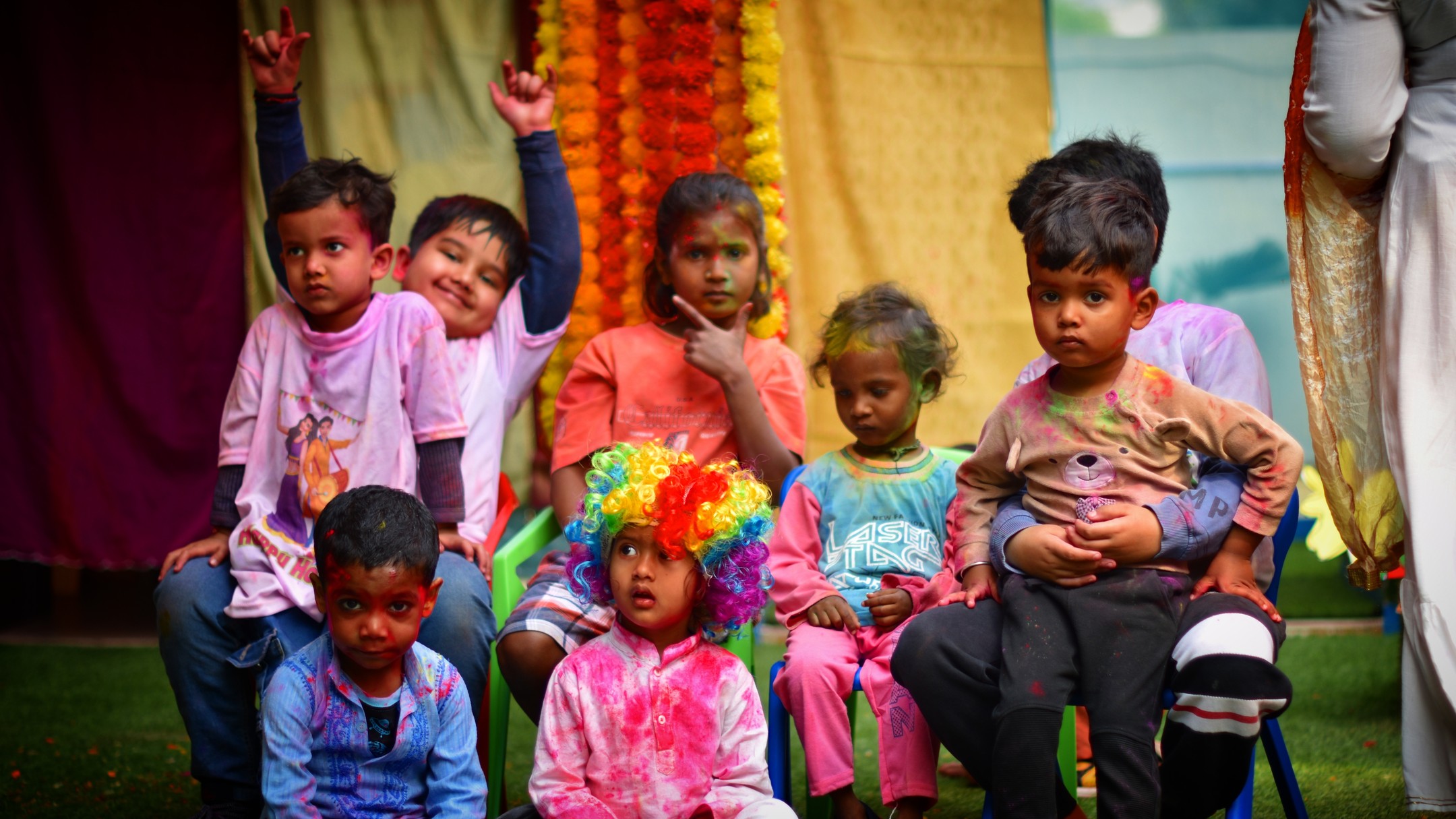
Almost every child cries at drop-off in the first week. Some cry for three weeks. What matters is the shape of the day, not the first five minutes of it: does she eat, does she join an activity, does she sleep at nap time. Our teachers send a photo mid-morning for exactly this reason.
2. Does your child show interest in other children?
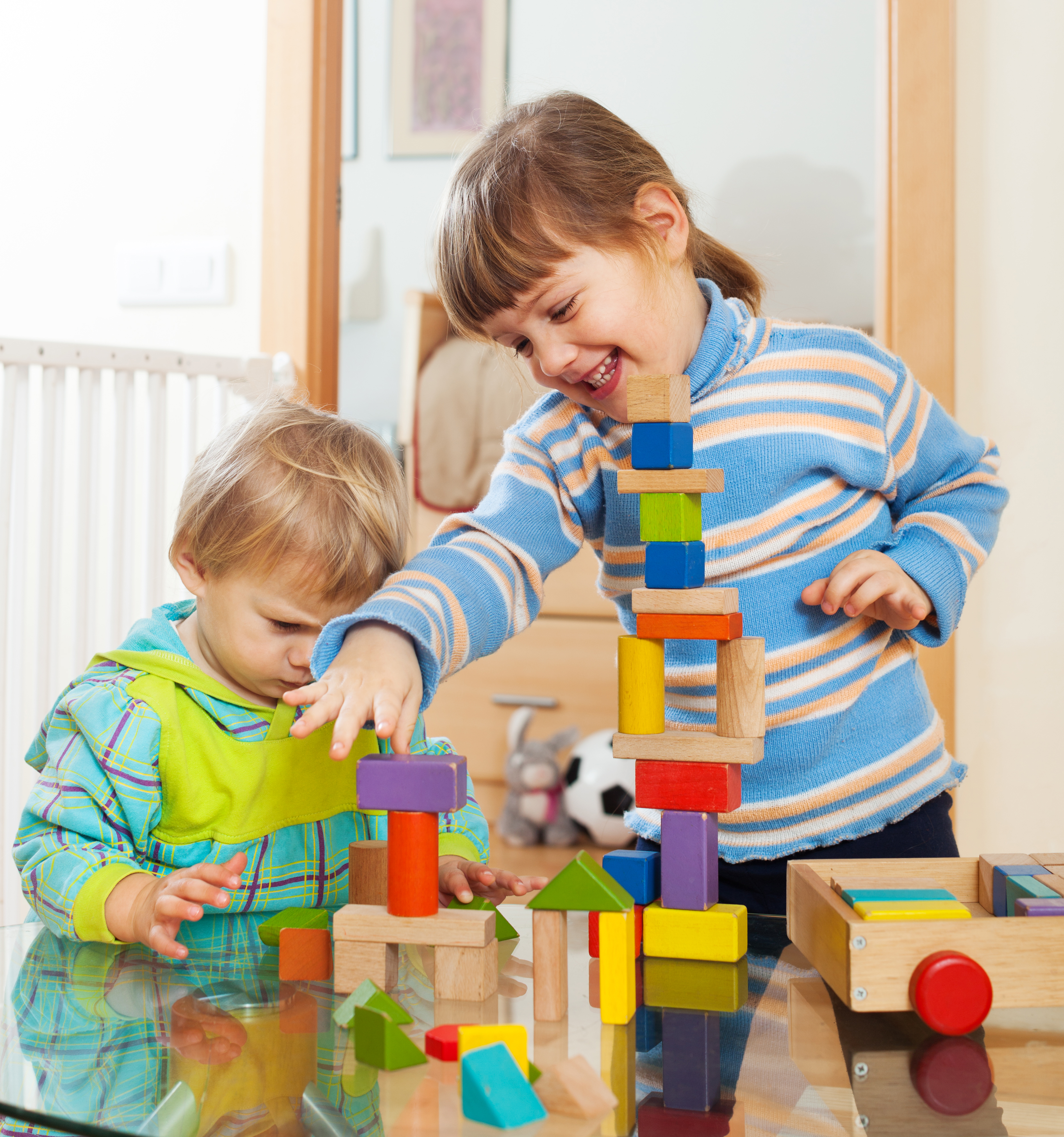
Children this age do not play together so much as play alongside each other, and that is completely normal. What you are looking for is interest: watching other children in the park, imitating an older cousin, handing a toy to someone. A child who actively avoids other children is not unready for preschool, but she may need a smaller group and a slower start, which is worth telling the school before admission rather than after.
3. Can she communicate a basic need?
This does not mean full sentences and it does not mean any particular language. A child who can point to the water bottle, say "susu", or take a teacher's hand and lead her to what she wants is communicating perfectly well. Our staff work in both Hindi and English precisely because most children here arrive with a mix of both at home.
4. Is there some predictability in her day?
Preschool runs on rhythm: arrival, circle, activity, snack, outdoor, story. A child who already has a loose routine at home slots into that far more easily. If mealtimes and sleep times at home are currently wherever they land, spend a month tightening them before the term starts. It is the single most effective thing you can do, and it costs nothing.
Toilet training is usually not the barrier parents think
Many playgroups here insist on it. We do not, for the youngest group. Accidents are ordinary at three, our staff handle them without fuss, and children very often train faster at school than at home because they want to do what the others are doing. Do tell us where your child is at, and pack two changes of clothes.
5. Can she manage a few minutes of a task she did not choose?
Sitting through a short story. Helping put blocks in a basket when asked. Waiting a moment for a turn. Three or four minutes is plenty. This is not about obedience, it is about the beginnings of attention, and it is the skill that grows fastest once a child is in a group of peers doing the same thing.
If the answer is "not yet"
That is genuinely fine and it is not a verdict on your child. A few options that work well:
- Start with fewer days a week and build up, rather than delaying a whole year.
- Choose a later start date within the same session. Mid-term entry is not a problem in a small group.
- Consider our daycare instead for a few months, which is a gentler, less structured entry point.
What rarely works is waiting for a child to look ready with no change in her circumstances. Readiness tends to be produced by opportunity, not preceded by it.
Coming to see us
Bring your child along to the visit. Give her twenty minutes in the room before you ask her anything. Watch whether she starts to move around, and watch how the staff respond to a child who is not theirs yet. That is far more informative than a brochure.