Walk into a classroom at Sunny Skies at eleven in the morning and it can look like nothing academic is happening. One group is filling and emptying containers at the water table. Two children are arguing about whose turn it is to be the shopkeeper. Someone is painting something that may or may not be a dog.
What is actually happening is a great deal of learning. Play is not a break from the curriculum for children under six. It is the curriculum, because it is the only way a young brain reliably converts experience into understanding.
What the block corner is really teaching
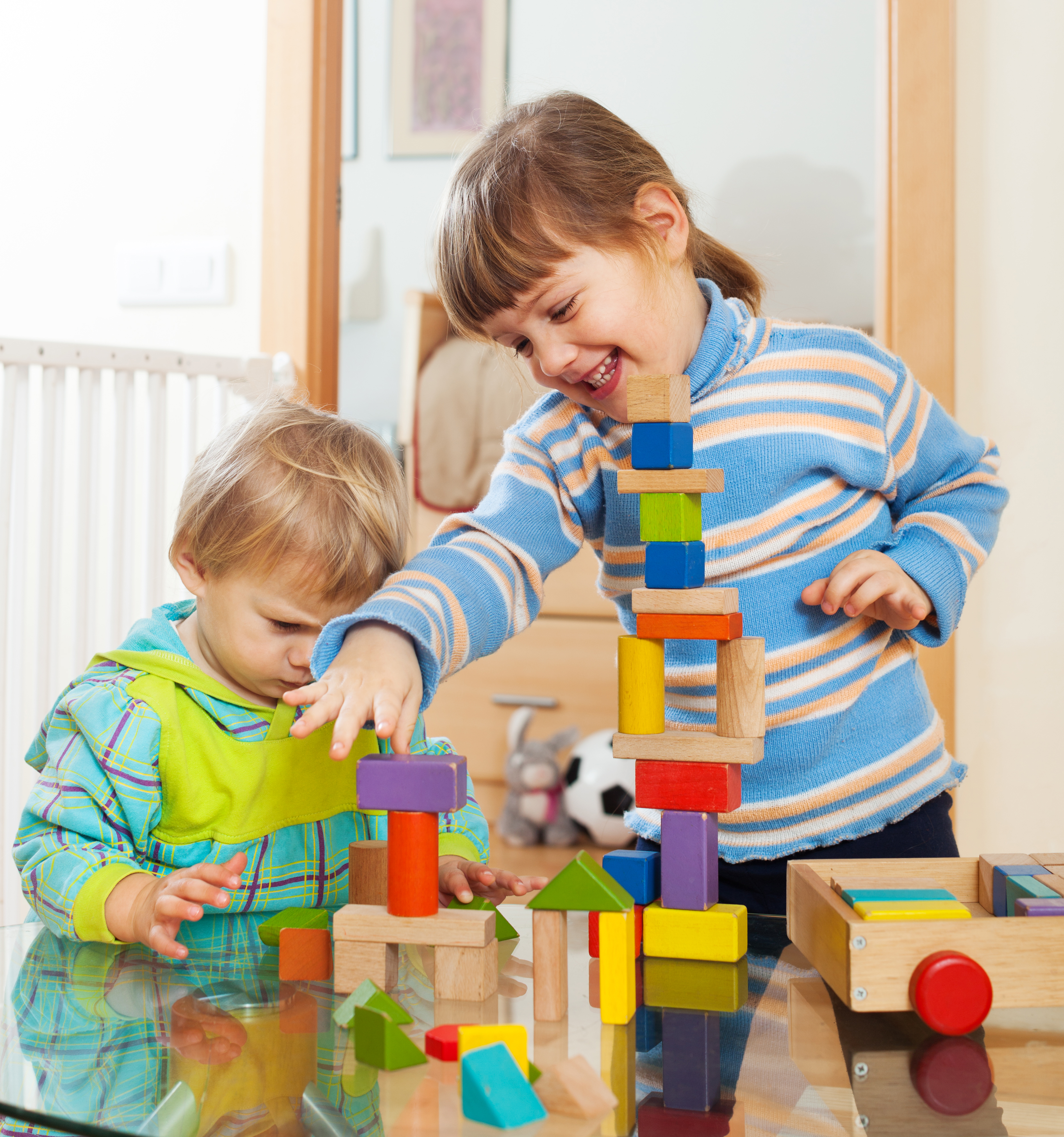
Take the child stacking blocks. Before the tower falls she is testing balance, weight and symmetry. When it falls she revises her theory and tries again. She is holding a goal in mind across several minutes, which is working memory. When another child wants the long block she has to negotiate, which is language and emotional regulation. None of this is on a worksheet, and all of it is foundational.
Compare that with a child who has memorised the alphabet by chanting it forty times. She can produce the sequence on demand. Ask her to find the letter that starts her friend's name and the knowledge often does not transfer, because it was never connected to anything she cared about.
The evidence, in plain terms
Decades of early-childhood research point the same way. Children from play-rich preschools tend to arrive in Class 1 with stronger vocabulary, better attention spans and noticeably better self-regulation than children drilled on academics early. The academic gap that early drilling creates is real but it closes by around Class 2 or 3. The gap in self-regulation and love of learning does not close, and it is the one that predicts how a child copes with school later.
What this looks like on a Tuesday at Sunny Skies
Play-based does not mean unstructured. Our teachers plan deliberately and then step back:
- Provocations, not instructions. A tray of pinecones, magnifying glasses and a jar of water invites questions. The teacher does not announce today's lesson on floating and sinking.
- Long uninterrupted blocks. Deep play takes time to build. Chopping the morning into fifteen-minute slots kills it before it starts.
- Adults who narrate rather than correct. "You put the heavy one at the bottom this time" tells a child what she did, and she notices it herself.
- Literacy and numeracy woven in. Children write the shop's price list. They count out the snack plates. The purpose comes first and the skill follows it.
But will my child be ready for big school?
This is the question we get most often from parents in Rajendra Nagar, and it is a fair one. Admission interviews at primary schools do test letters, numbers and comprehension. Our answer is that readiness is broader than recall: a child who can sit with a task, ask for help, follow a two-step instruction and recover from frustration will handle Class 1 far more comfortably than one who can only recite.
We do teach letters, sounds, numbers and pre-writing. We teach them in the second half of the KG year, when the hand is ready and the child has enough context for them to mean something. By that point most children are asking to write their own names, and a skill a child asks for takes a fraction of the time to teach.
What parents can do at home
You do not need to buy anything. The most useful things are usually already in your kitchen and your day:
- Let your child help with real work. Washing dal, sorting laundry and setting the table are maths and sequencing.
- Answer a question with a question sometimes. "What do you think will happen?" is worth more than the answer.
- Protect some unscheduled time. Boredom is the doorway to imaginative play.
- Read together daily, and talk about the pictures as much as the words.
If you would like to see this in practice, you are welcome to visit during class hours rather than after them. A quiet, tidy classroom tells you very little. A busy one tells you everything.